
Design Section
Translate user needs into manufacturable components, assemblies, drawings, and specifications.

Learn how ideas become real products — from creative design to modern manufacturing methods that shape everything we use.
Explore the study path ↓What this focus develops
Connect classroom fundamentals with practical investigation, modern tools, teamwork, and evidence-based engineering decisions.
Translate user needs into manufacturable components, assemblies, drawings, and specifications.
Use CAD, simulation, CAM, and data to move confidently from concept to production.
Lab Equipment
Learning, research, prototyping, testing, and engineering services.
 01
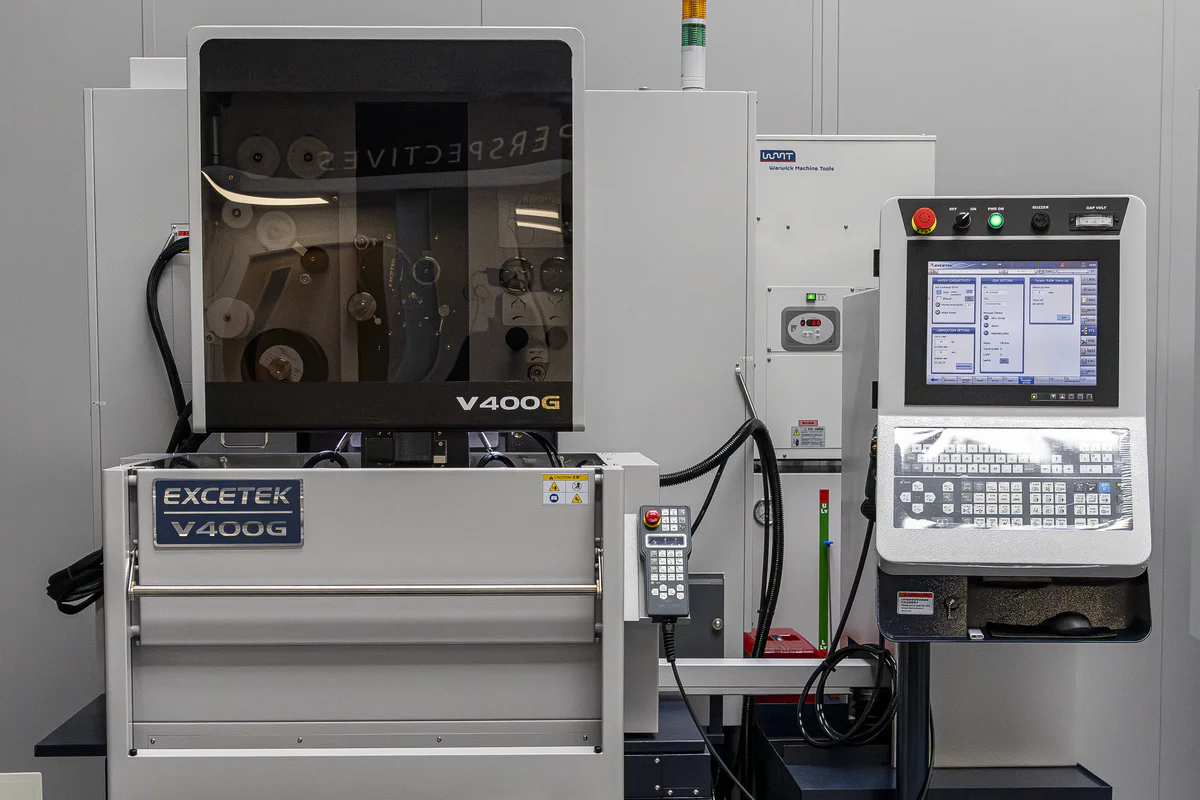
01Cut complex profiles in electrically conductive materials through controlled wire electrical-discharge machining.
 02
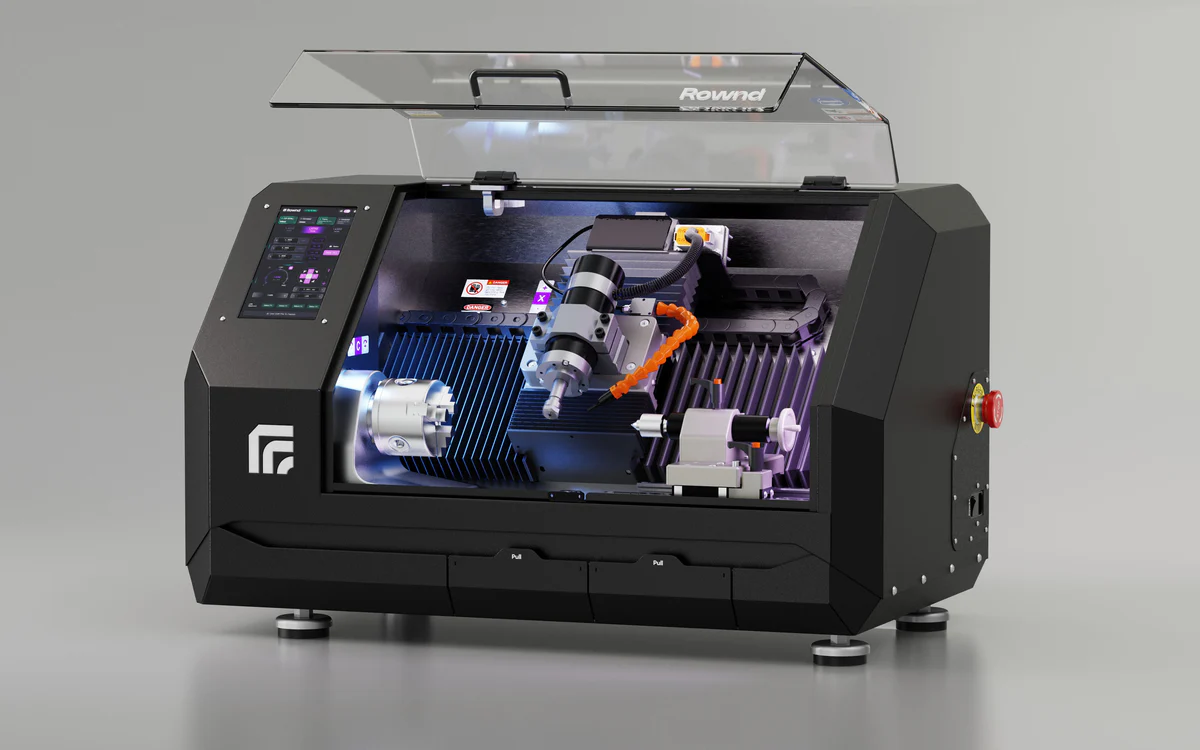
02Support compact CNC turning, small-part production, CAD/CAM practice, and manufacturing-process training.
 03
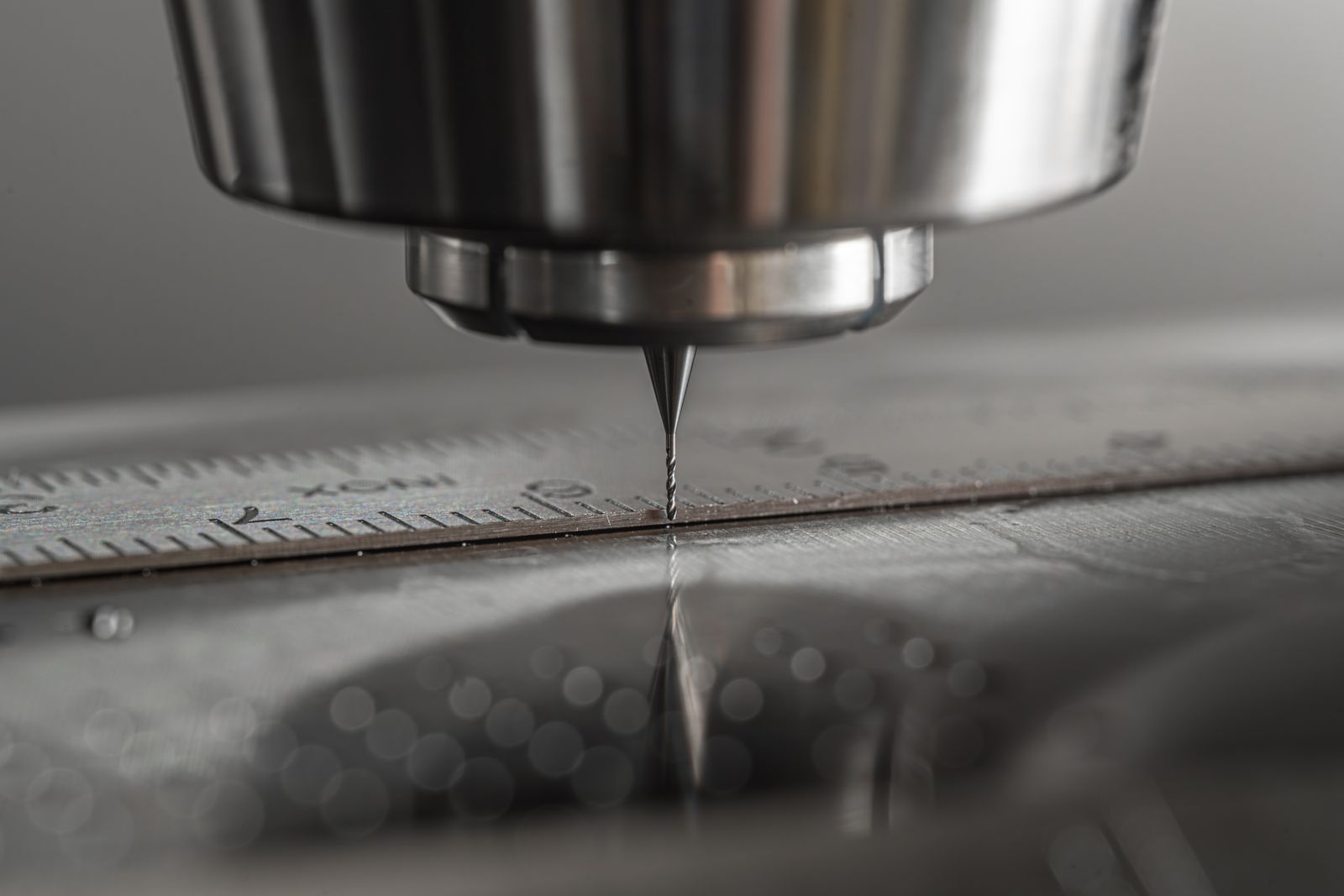
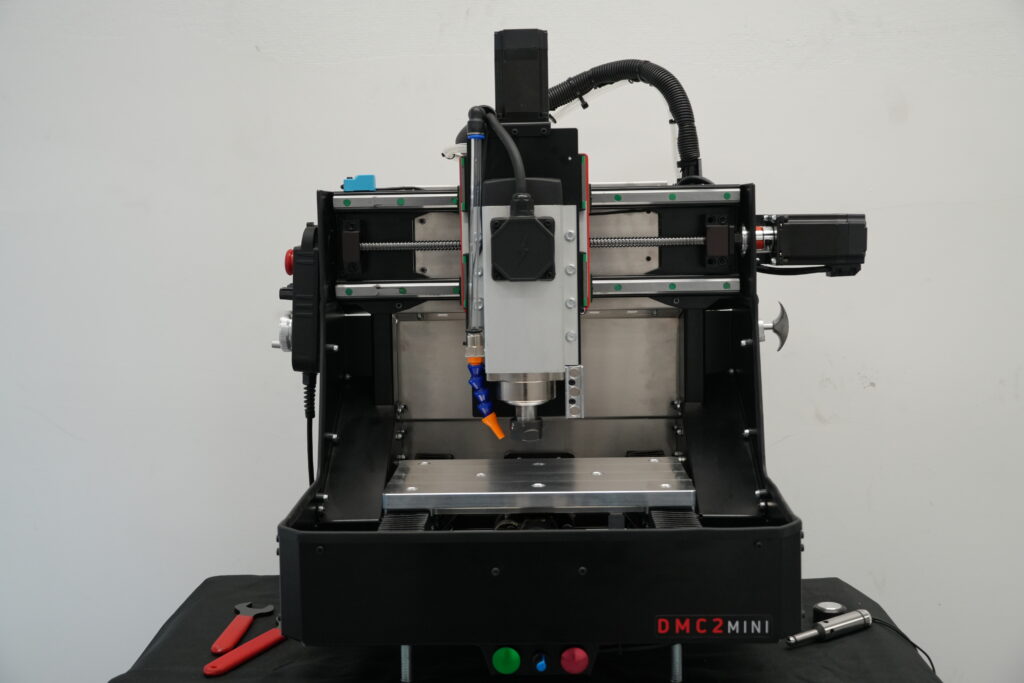
03Provide a compact CNC platform for machining practice, prototyping, setup, tooling, and process planning.
 04
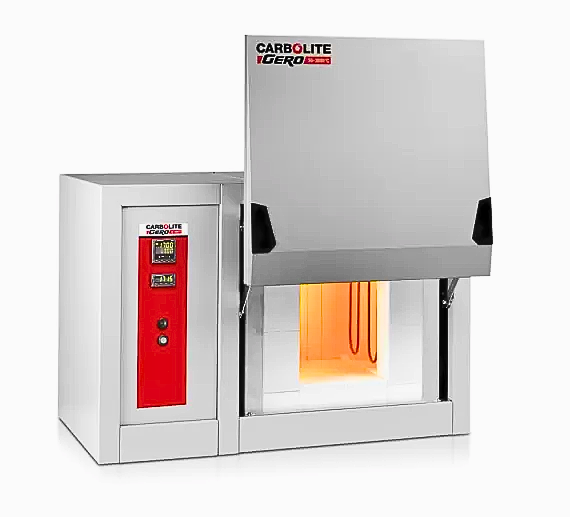
04Support high-temperature heat treatment, annealing, calcination, and sintering investigations.
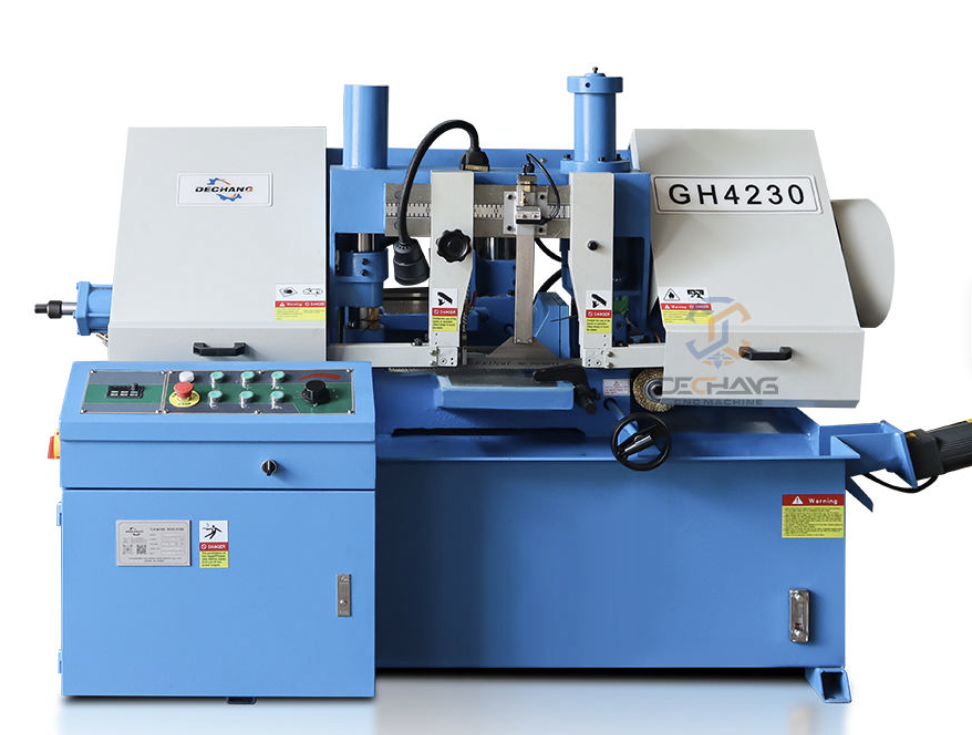 05New equipment
Prepare metal stock safely and efficiently before turning, milling, forming, or fabrication processes.
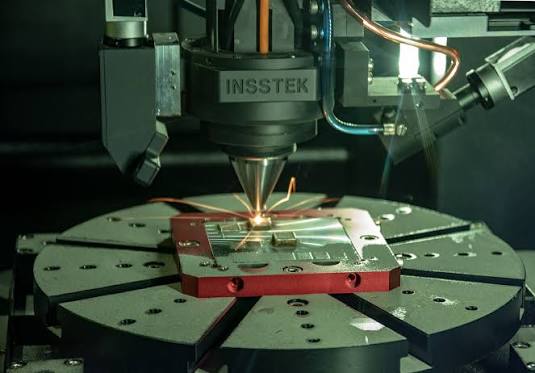 06New equipment
Build, repair, and investigate metal components through directed-energy-deposition additive manufacturing.
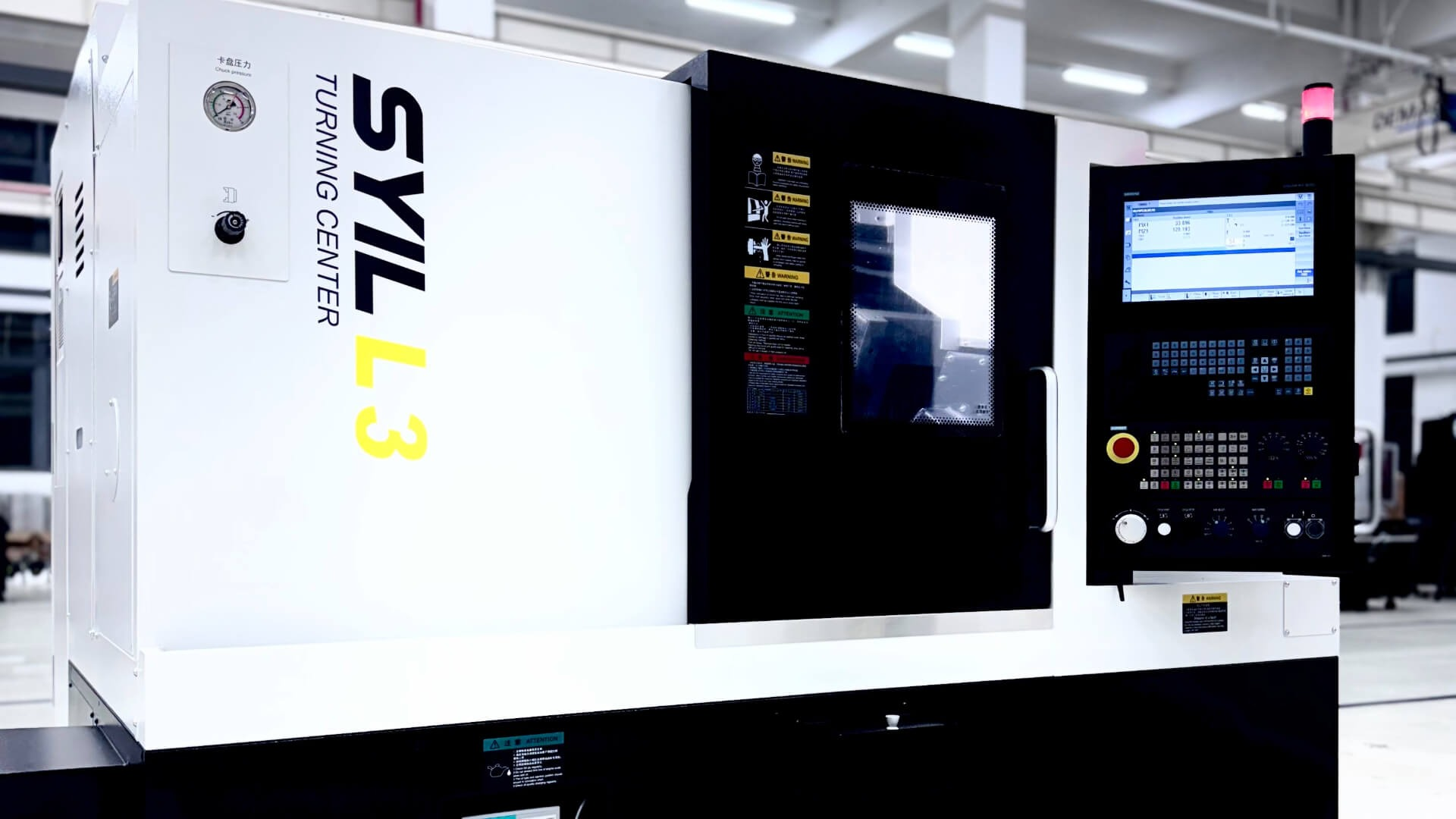 07New equipment
Support precision CNC turning, toolpath development, setup, production, and manufacturing instruction.
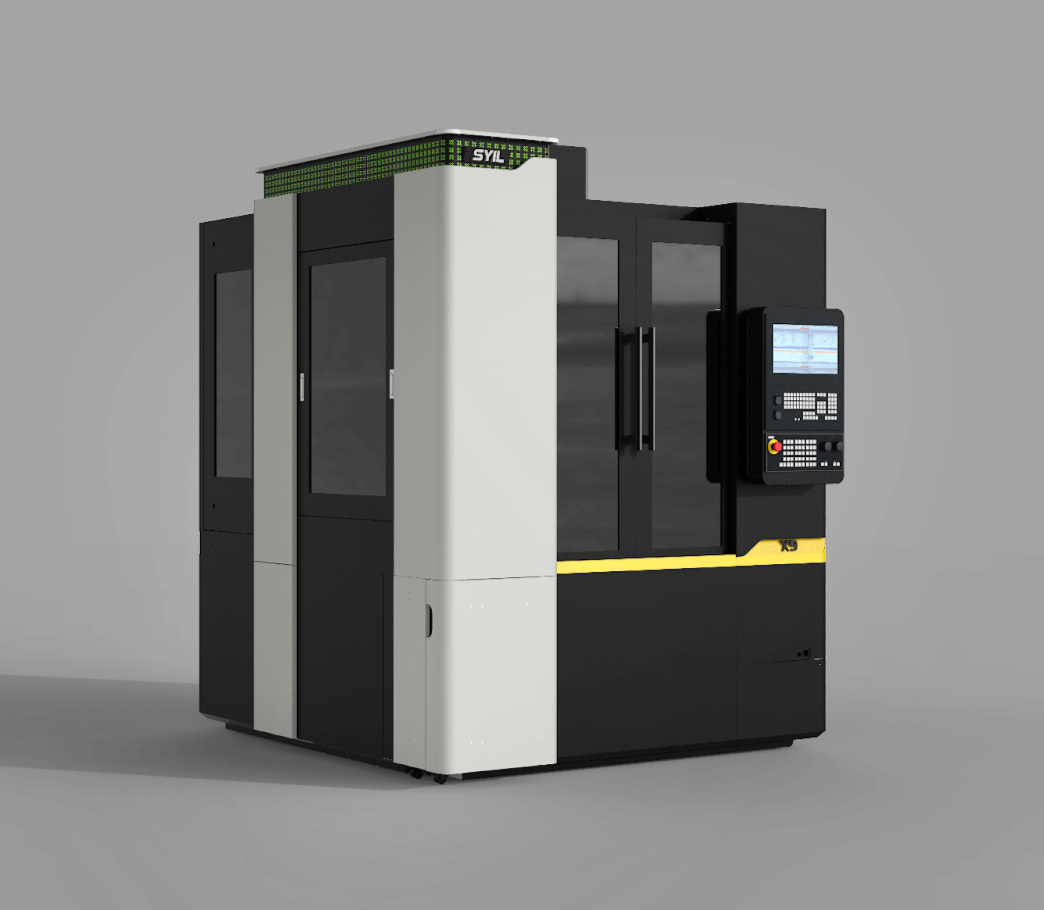 08New equipment
Enable advanced multi-axis milling, complex-part production, and high-level CAD/CAM learning.
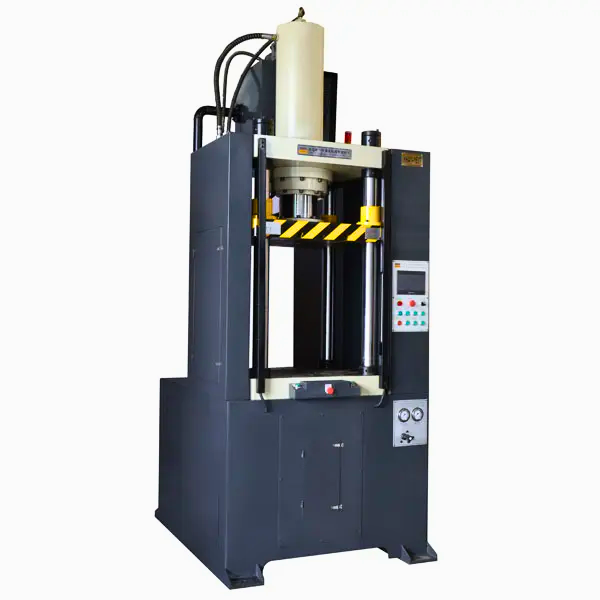 09New equipment
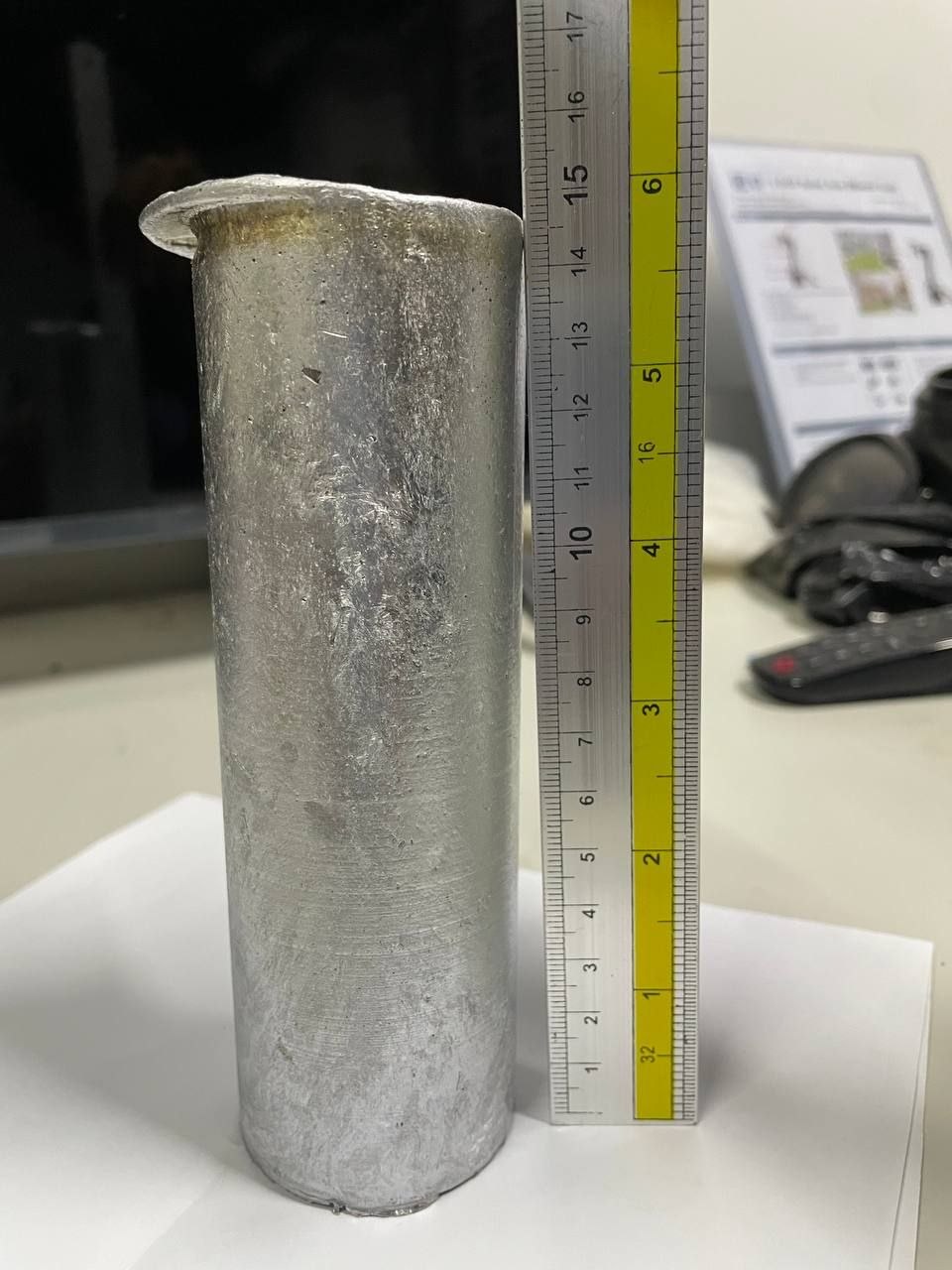
Compact metal powder and support forming research before downstream sintering and material evaluation.
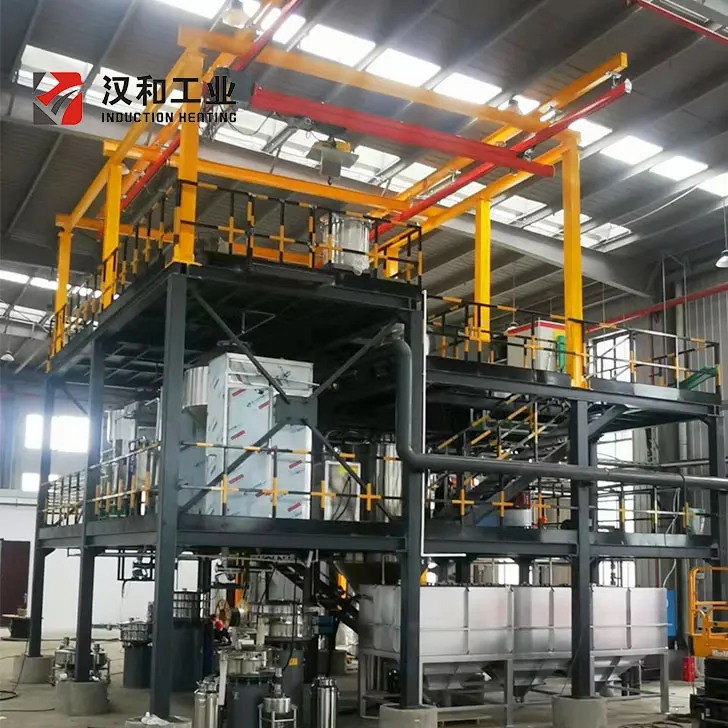 10New equipment
Produce metal powder feedstock through controlled water atomization for materials and manufacturing research.
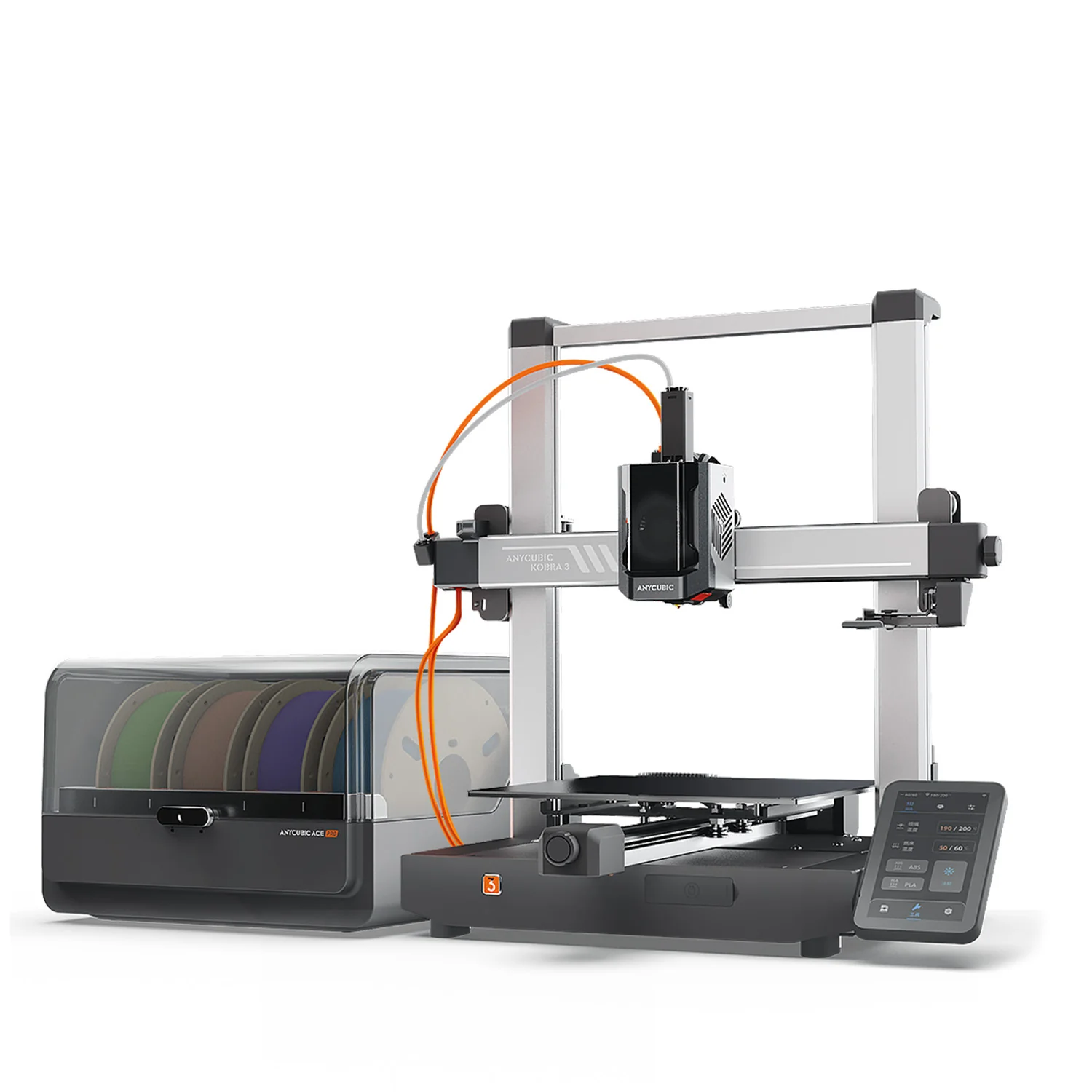 11
11Support rapid prototyping and multicolor filament workflows with a compatible Anycubic FDM printer.
Verify dimensions, tolerances, inspection results, quality requirements, and engineering compliance.
Supporting curriculum
Foundation subjects lead to specialist work, integrated projects, industry experience, and the final capstone.
The course mapping is a program overview and can be updated in the CMS when the official study plan changes.
How students learn
Activities combine technical knowledge with communication, iteration, safety, and reflection.
Develop a part from an initial brief, validate it digitally, and prepare it for manufacture.
Set up machining operations while applying safe working methods and process controls.
Compare material behavior and connect test results to practical design decisions.
Respond to a partner problem through teamwork, prototyping, review, and iteration.
Career pathways
Graduates can move across technical and leadership roles as their experience grows.
Develop products, mechanisms, and production-ready engineering documentation.
Improve processes, tooling, quality, efficiency, and production capability.
Design and optimize reliable industrial processes.
Guide a product from concept and testing through manufacture and improvement.
Research & Innovation
Explore current projects in Research & Innovation for full project details and related focus areas.
Upcoming event
Explore. Experience. Engineer.
What you will experience
Free admission · Advance registration required